
How AI Can Make Long PDFs Easier to Understand


Why Long PDFs Create Cognitive Overload
A long PDF can contain valuable information and still be difficult to understand. Length is only part of the problem. Readers must constantly decide which sections matter, remember earlier concepts, interpret headings, connect examples with explanations, and separate the main argument from supporting detail.
This becomes especially challenging with training manuals, technical documents, textbooks, reports, and research papers. A reader may spend significant time moving between pages before they have a clear mental model of the subject.
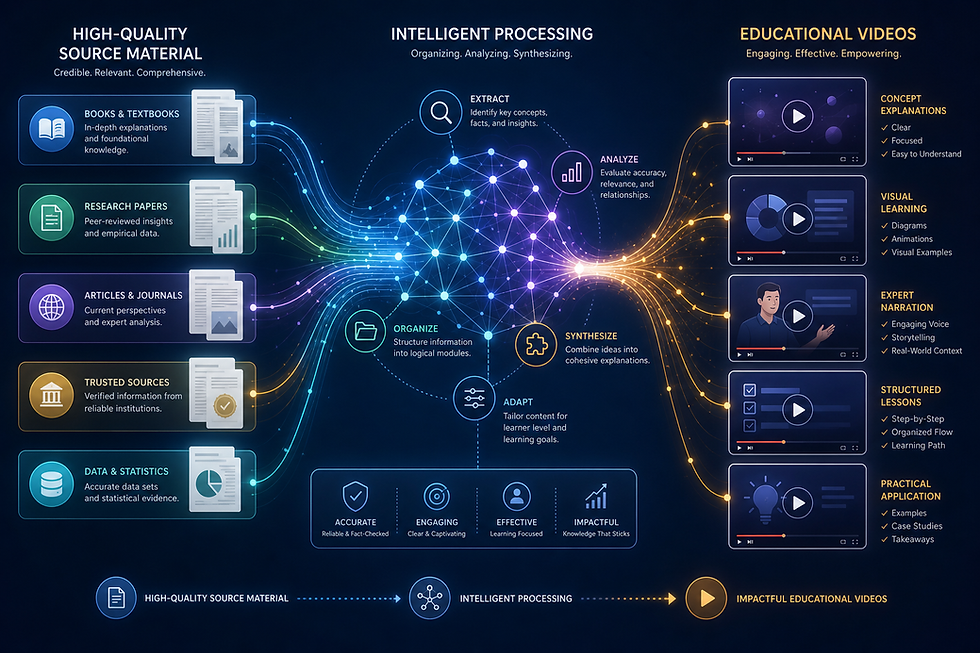
AI can help by changing how the information is organized and presented. Instead of expecting the user to navigate the entire document alone, AI-assisted tools can identify structure, summarize sections, and transform information into more guided formats such as visual explanations and video.
Beyond AI PDF Summarization: From Summary to Visual Explanation
AI PDF summarization is useful when the main goal is to reduce reading time. A summary can highlight important points and give the reader an overview. However, summaries are still primarily text. For some subjects, understanding improves when ideas are presented sequentially with supporting visuals.
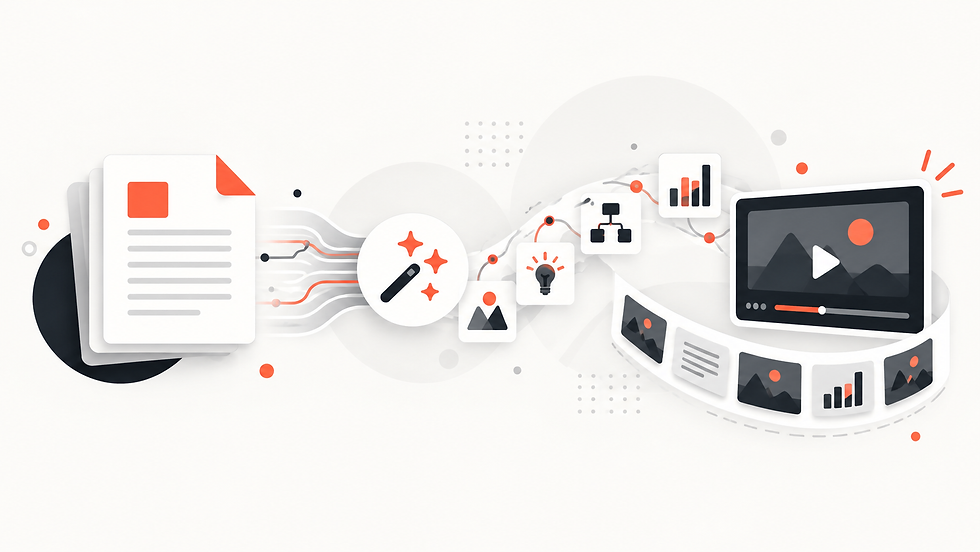
This is where a long PDF to video workflow can add another layer. A video can break the content into scenes, create a clear path through the material, and combine explanation with visual context.
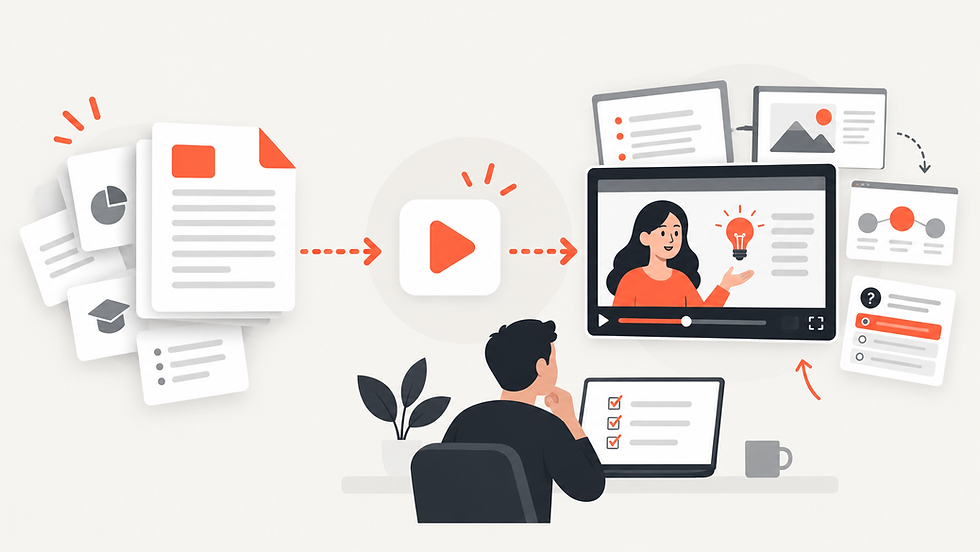
Explisera is designed specifically for this type of document transformation. Users upload a text-based PDF, choose a visual direction, and generate a cohesive video based on the source. More than 72 visual styles make it possible to adapt the explanation to education, training, research, and other document-heavy use cases.
How AI Document Explanation Helps Different Audiences How AI Can Make Long PDFs Easier to Understand, PDF, AI
For students, a visual explanation can provide an overview before deep reading or reinforce concepts during revision. For employees, a video can introduce the key ideas in a procedure before they use the manual as a detailed reference. For researchers or professionals, a generated video can make a long report easier to present to colleagues or stakeholders. How AI Can Make Long PDFs Easier to Understand, PDF, AI
The key advantage is guided attention. A PDF allows the reader to move anywhere, which is useful for reference but can be overwhelming during first exposure. A video controls the order of information, helping the viewer build understanding step by step.
This can be especially valuable when the source contains a process, sequence, hierarchy, or argument that becomes clearer when presented in stages.
Using AI to Understand Long PDFs Responsibly
AI does not remove the need for source verification. A generated explanation may omit context, misunderstand a technical passage, or give too much emphasis to one section. Users should treat AI as a tool for organizing and presenting information, not as a replacement for the original document in situations where exact wording matters.
Start with a clean, well-structured PDF. Use headings and logical sections. If the document is extremely long, consider converting it in parts so that each video has a clear purpose.
Choose the visual style based on the content. A serious technical report may need a clean, structured presentation, while an educational topic may benefit from more expressive visuals.
Finally, review the result against the source. Explisera can make long PDFs easier to approach by turning them into watchable visual explanations, but the strongest workflow combines AI speed with human judgment. The PDF remains the detailed source; the video becomes a guided way to understand what matters and how the ideas connect.
Another useful strategy is progressive depth. Create a first video that explains the main structure of a long PDF, then create separate videos for sections that require more detail. This approach can work well for large manuals, reports, or textbooks because viewers gain orientation before encountering complexity. It also keeps each visual explanation focused enough to be useful as a standalone reference later.
Comments