
How to Convert Research Papers Into Easy-to-Watch Videos


Why Research Papers Are Hard to Communicate
Research papers are designed for precision, evidence, and scholarly detail. That makes them valuable, but it also makes them difficult to communicate beyond a specialist audience. Abstracts, literature reviews, methodology, statistical results, tables, and technical terminology can create a high barrier for viewers who simply want to understand the question, approach, and main findings.
Researchers often need to present the same work in different settings: classroom discussions, internal reviews, conferences, project updates, stakeholder meetings, or public communication. Creating a separate video explanation can help, but manually translating a paper into a script and visual sequence takes time.
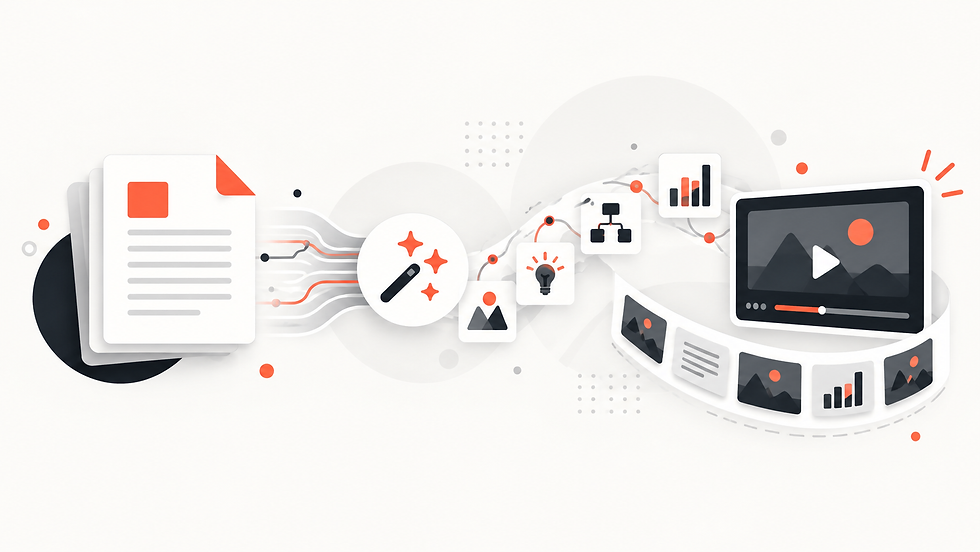
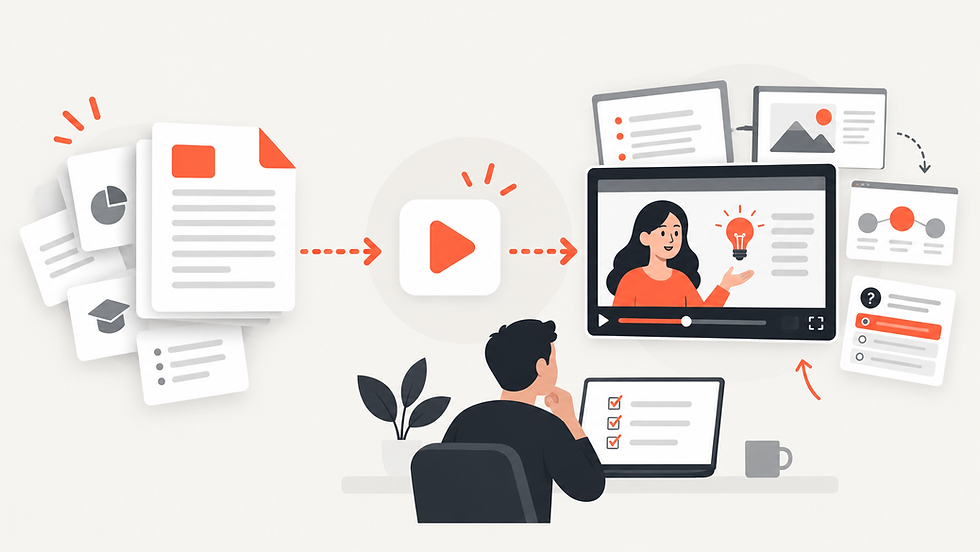
An AI research video generator can make that translation more practical by using the paper itself as source material.
How to Turn an Academic Paper to Video
Start with a text-based PDF of the research paper or report. If the paper is very long, decide whether the video should cover the entire study or focus on a specific section such as the findings or methodology.
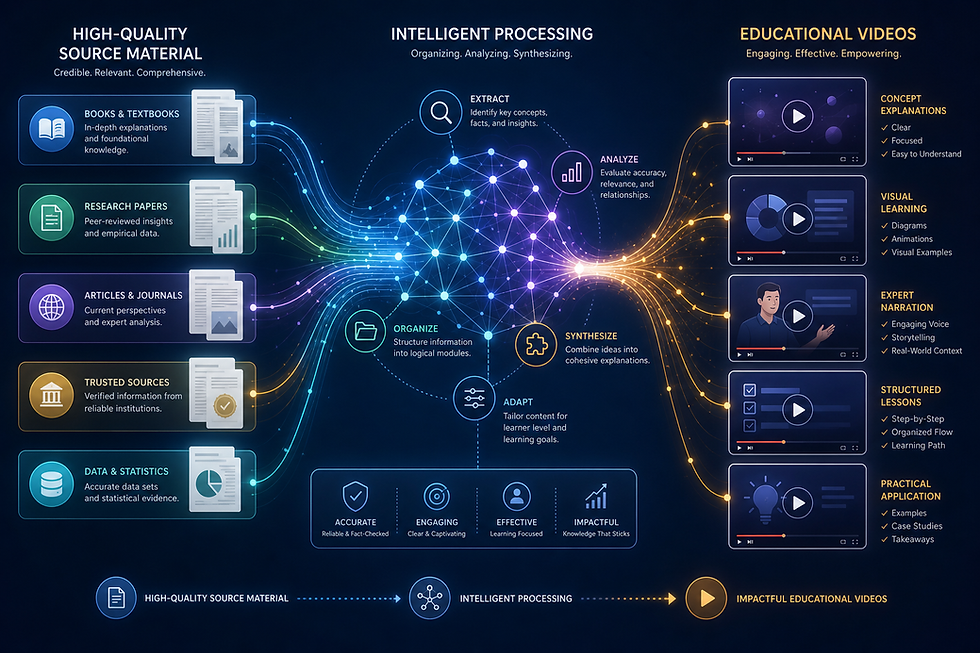
Upload the PDF to Explisera. The platform analyzes the source and organizes the material into scenes for an AI-generated video. Users can choose from more than 72 visual styles, allowing the presentation to match the intended audience.
A formal research review may require a clean and restrained visual direction. A public-facing explanation of the same research may benefit from more illustrative visuals. The style should support comprehension without changing the meaning of the source.
Advantages of a PDF Research Summary Video
Video can make research more approachable because it presents information in a guided sequence. Viewers do not need to decide which section to read first or how to connect the abstract with the results. A structured video can move from the research question to the method, evidence, findings, and implications.
This does not mean a video replaces the paper. The paper remains the detailed record of the research. The video serves as an entry point, overview, or presentation format that can help more people understand what the work is about.
Researchers can also use different videos for different audiences. A technical audience may need more methodological detail, while a general audience may need a clearer explanation of the problem and significance. Starting with the same source material makes it easier to maintain consistency between those versions.
Accuracy Matters When Creating Research Videos Convert Research Papers Into Easy-to-Watch Videos
Research communication requires careful review. AI-generated summaries can accidentally overstate a conclusion, remove a limitation, confuse correlation with causation, or simplify technical language too aggressively. Every generated research video should therefore be checked against the original paper.
Pay particular attention to numerical results, confidence intervals, sample sizes, dates, terminology, citations, and statements about significance. If the paper includes limitations or uncertainty, the video should not present the findings as more certain than the authors intended.
It is also wise to distinguish clearly between what the paper demonstrates and what might be an interpretation or implication.
Explisera can reduce the mechanical work involved in converting a research paper to video by structuring source material into scenes and providing a visual framework. The researcher's expertise remains essential for final validation. Used this way, AI can help make scholarly work easier to watch without sacrificing the discipline needed for accurate research communication. Convert Research Papers Into Easy-to-Watch Videos
A practical research video can also improve discovery. Someone may be willing to watch a concise overview before deciding whether to read a full academic paper. That makes video useful for research groups, universities, laboratories, and organizations that need to communicate complex work to audiences with different levels of expertise. The most effective version invites deeper reading rather than pretending that a short video can contain every methodological detail.
Comments