
How to Turn Employee Manuals Into Training Videos


Why Employee Manuals Are Difficult to Absorb
Employee manuals are necessary, but they are rarely anyone's favorite part of onboarding. They may contain workplace policies, operational procedures, security rules, benefits information, communication standards, and role-specific instructions. The problem is not usually a lack of information. It is the amount of information delivered at once.
New employees already have many things to learn. Asking them to read a long manual from beginning to end can lead to important details being overlooked. Managers may then repeat the same explanations in meetings, creating inconsistent onboarding experiences across teams.
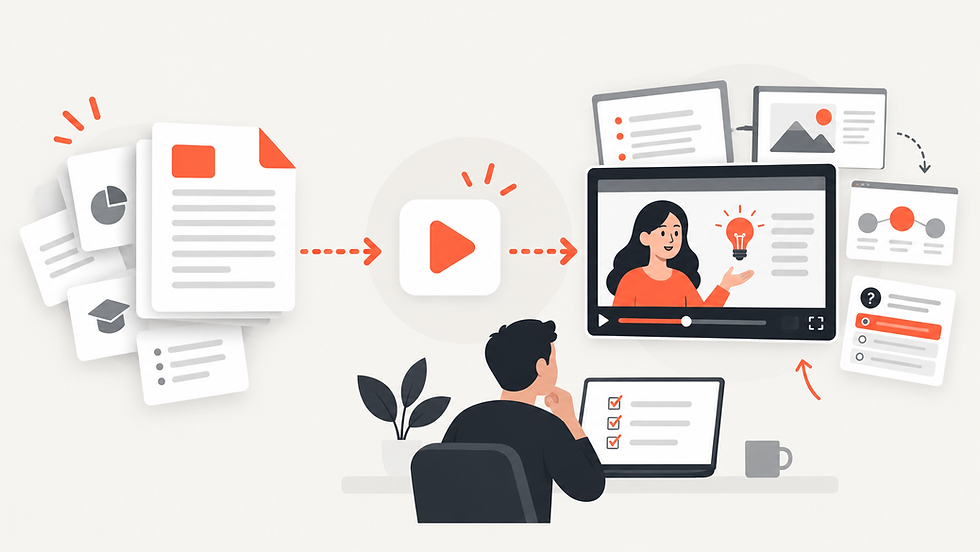
Turning an employee manual into video can make key topics easier to introduce and revisit while keeping the original document available as the authoritative reference.
How Manual to Video AI Can Support Onboarding
The best starting point is not necessarily the entire manual. Divide it into logical onboarding topics such as company basics, security, workplace conduct, internal tools, customer procedures, or role expectations.
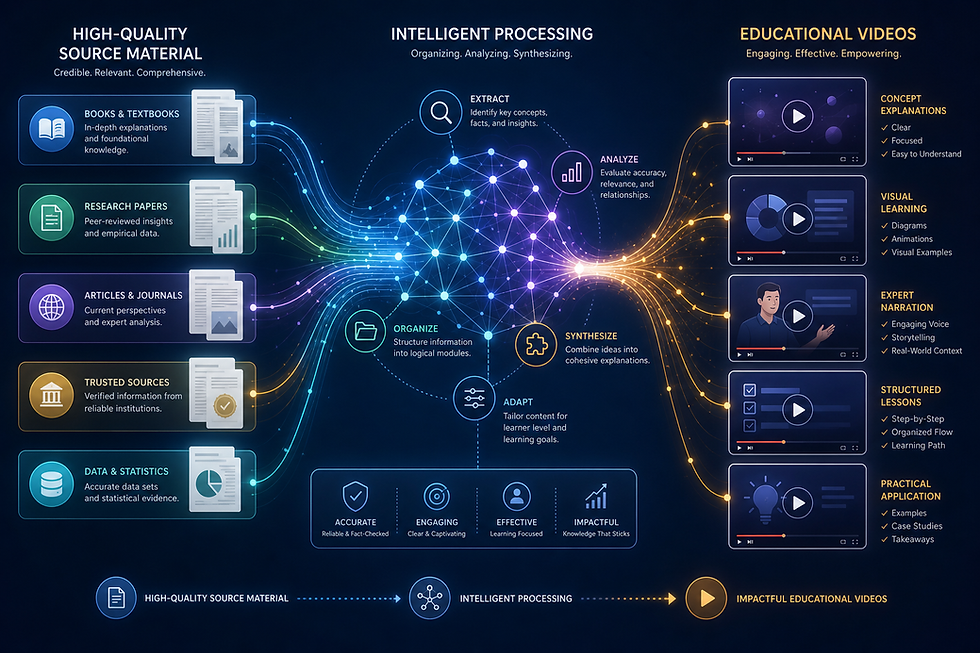
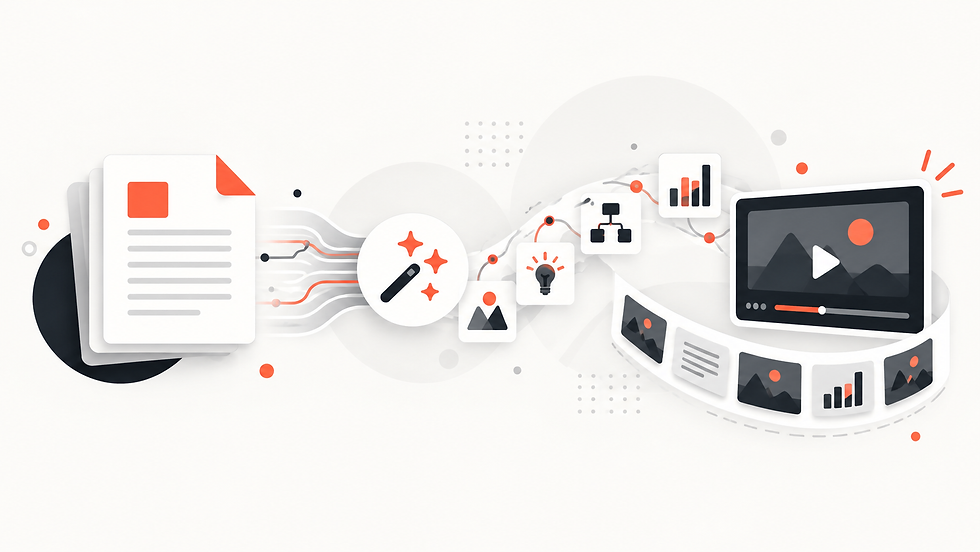
Each relevant section can be prepared as a text-based PDF and uploaded to Explisera. The platform transforms the document into video scenes and allows the user to choose from more than 72 visual styles. This makes it possible to match the tone of the training to the content rather than presenting every subject in exactly the same way.
A workplace conduct policy may need a simple and professional visual direction. A company introduction may work better with something more welcoming and expressive. Explisera keeps the core workflow the same: upload the document, choose the look, and generate the video.
Advantages of Employee Training Videos From Existing Manuals
One advantage is that the company does not need to invent training content from scratch. The manual already contains approved information. The video becomes another way to explain that material.
Another advantage is repeatability. Every new employee can receive the same core explanation, reducing the risk that important onboarding topics depend entirely on who happens to deliver the training.
Videos can also be revisited. An employee who forgets part of a process may prefer a focused visual explanation before returning to the full manual for details. This can be particularly useful for procedures that are learned during onboarding but not used every day.
For distributed or remote teams, video can provide a more guided experience than simply sending a PDF link. It gives the content a sequence and can help create a clearer onboarding journey.
How to Build Better Workplace Training Videos
Keep each video focused on a specific goal. A manual may contain dozens of policies, but a single training video should ideally answer a smaller set of related questions.
Use the current approved version of the manual. If policies change frequently, establish a process for checking whether the source document and related videos still match.
Do not remove access to the written policy. A training video can explain a rule, but employees may still need the exact wording later. Treat video as an accessible companion to documentation rather than a replacement for every written record.
Finally, review generated videos carefully. Policies involving safety, privacy, discrimination, security, legal obligations, or regulatory requirements deserve particular attention.
By using an existing employee manual as the source, Explisera can reduce the production work needed to create workplace training videos. The company supplies the authoritative content, the platform turns it into a visual experience, and the training team retains responsibility for review and context.
For larger organizations, it is useful to assign ownership of each manual and its related training videos. When a policy owner updates the source document, the training team can review whether the corresponding video also needs to be regenerated. This simple governance step helps prevent a common workplace training problem: employees watching an older explanation while the written policy has already changed.
Comments